
Are You Called to Preach?
Are You Called to Preach — or Did You Call Yourself?
There's an old saying in ministry circles that cuts closer to the bone than most of us would like to admit: some preachers are God-called, and some are mama-called and papa-sent.
The joke, of course, is that family pressure got them behind the pulpit. But the more sobering reality is that plenty of men enter the preaching ministry for reasons that have nothing to do with a divine calling — some see it as a profession, others are drawn to the platform, and some simply admire another preacher and think, I could do that. A few, if they're honest, want to be the one in front of the room with the authority to tell everyone what he thinks.
So before we talk craft, strategy, or sermon structure, we need to talk about something more fundamental: Why are you in the preaching ministry at all?
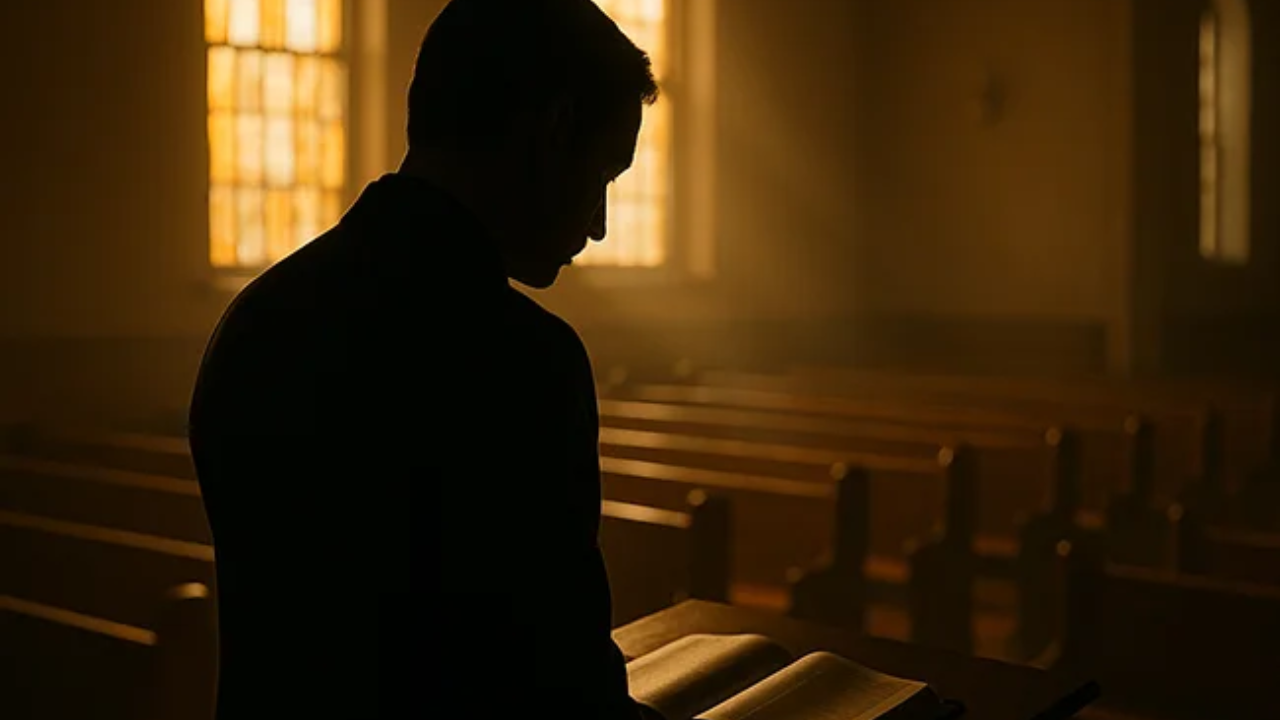
Three Prerequisites to Hearing the Call
God's call to preach isn't random — and it isn't universal. There are prerequisites.
First, you must have the capacity to hear Him. Only genuine believers can hear God's call into ministry. This isn't elitism; it's simply the nature of the relationship. You can't receive a call from someone you don't know.
Second, you must be close enough to actually hear Him. Having the capacity to hear doesn't mean you're listening. The cares of this world are loud. Ambition is loud. Other people's opinions are loud. Being in tune with God — walking closely with Him, keeping short accounts, living in the Word — is what makes His voice distinguishable from all the noise.
Third, you must be willing to obey. History is full of men who heard God's call and ran the other direction. Jonah is the patron saint of that particular response. Hearing and heeding are two very different things. The call requires surrender.
So the full picture looks like this: capacity to hear + actually hearing + willingness to obey. All three must be present. If any one is missing, the call hasn't been completed — at least not yet.
The Sign You Can't Fake: The "Have To"
How do you know, practically speaking, that you're called to preach?
The clearest indicator isn't enthusiasm, giftedness, or even the affirmation of others — though those things matter. The clearest indicator is what we might call the divine compulsion: an inescapable conviction that this is not just what you want to do, but what you must do.
The Apostle Paul put it plainly: "Woe is me if I preach not the Gospel" (1 Corinthians 9:16). Notice the framing. Not "I'd love to preach." Not "I feel gifted for this." But: I have no choice. I must.
There's a real difference between wanting to preach and being called to preach. Wanting to preach is fine — it's even good. But the divine call adds something that wanting alone cannot produce: a sense of holy obligation. A compulsion that won't leave you alone even when ministry is hard, thankless, and costly.
If that urgency is absent, it's worth asking seriously whether the calling is from God — or from somewhere else. As one seasoned minister put it: "If you are in tune with God and you can do anything else besides the preaching ministry, then do it. He's not calling — or you would hear Him loud and clear."
What the Call Actually Requires: Take Heed, Lead, Feed
When Paul addressed the Ephesian elders in Acts 20, he gave one of the most concentrated descriptions of pastoral ministry in all of Scripture. Three verbs define the work:
Take Heed
"Take heed therefore unto yourselves, and to all the flock... grievous wolves will enter in among you."
The first responsibility of the called preacher is watchfulness — for his own soul and for the souls entrusted to him. This isn't passive. It requires knowing your people: their needs, their weaknesses, what tempts them, what endangers them. It requires talking with them, praying with them, walking through life beside them.
Your people will face real dangers. So will you. The preacher who neglects his own spiritual health will eventually have nothing left to give — and may not see the wolves until they're already inside.
Lead
"The Holy Ghost hath made you overseers."
Paul is clear: preachers don't appoint themselves. The Holy Spirit does the appointing. This is why Martin Luther insisted that preachers called by men rather than by God are false preachers — a point that felt radical in his day and remains uncomfortable in ours.
Called leaders lead by example, by vision, in humility, and through strength — but always toward God, not toward themselves. The measure of leadership in ministry isn't how large a platform you've built. It's how faithfully you've directed people toward Christ.
Feed
"Feed the church of God, which He hath purchased with His own blood."
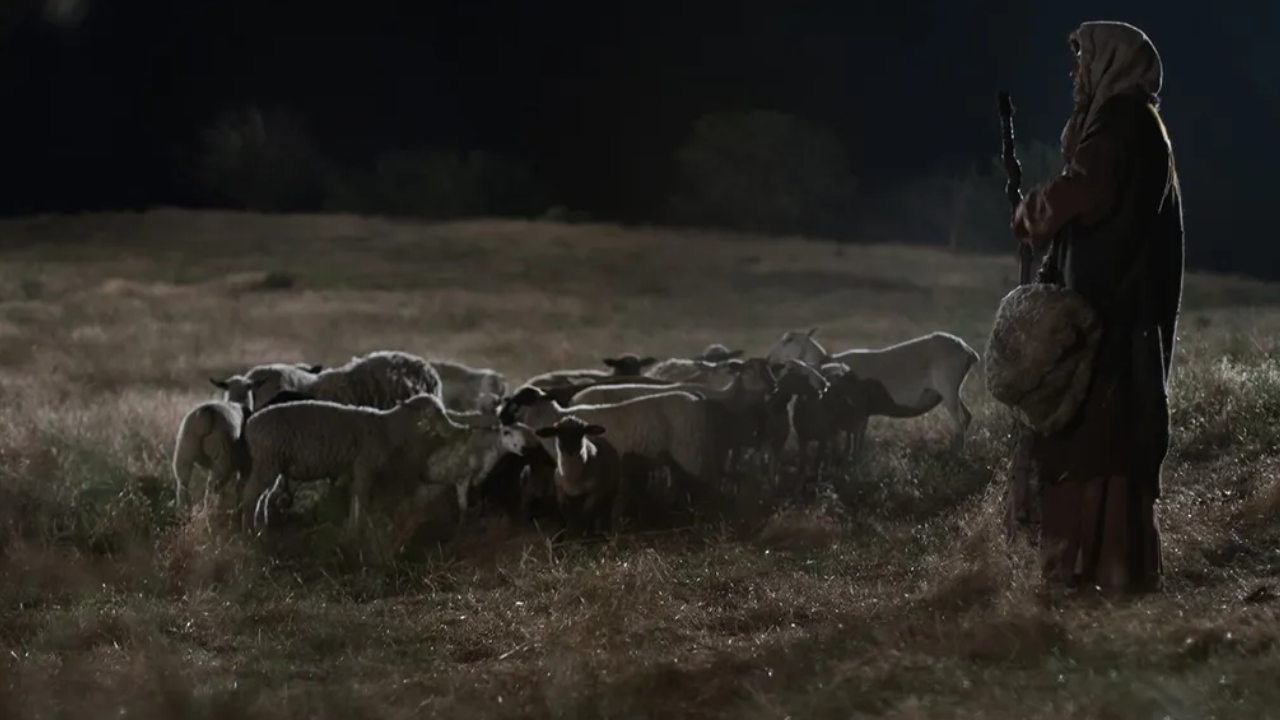
Jesus' charge to Peter — "Feed my sheep" — echoes through every preaching ministry. This is the teaching, the preaching, the patient opening of the Word week after week. The flock needs milk and meat. They need reproof and encouragement. They need the whole counsel of God, not just the parts that are easy to say or easy to hear.
Take heed. Lead. Feed. These aren't separate tracks — they're three dimensions of one calling. And the weight of it should press on every preacher: these are sheep that God purchased with His own blood. Don't take that lightly.
So You Know You're Called — Now What?
If you've examined yourself honestly and you're convinced the call is real, here's a practical path forward:
Announce it openly. Seek counsel from your pastor and mature believers first. When you've received their affirmation, declare your calling to your church community. Accountability and transparency aren't weaknesses — they're marks of integrity.
Be a good Christian before you try to be a good preacher. This sounds obvious. It's not. The habits of private prayer, Scripture reading, and faithful obedience aren't things you develop after you start preaching — they're the foundation everything else rests on.
Serve where you are. Before a ministry of your own, there is ministry under others. Exercise your gifts. Prove faithful in small things. Let your character be tested and refined in lower-stakes environments before you're the one responsible for the direction of a congregation.
Train — formally and informally. Some of the most formative ministry lessons come not from classrooms but from working alongside a seasoned minister in a genuine mentoring relationship. Formal training in Bible school or seminary is valuable — but the wisdom that comes from watching an experienced pastor navigate a real crisis, preach through a hard text, or shepherd a wounded family is irreplaceable.
Let God set the pace. You may already be in your calling — serving under someone else, doing unglamorous work, waiting. That waiting is not wasted. God's will always includes His timing. Be faithful where you are, and trust Him to move you when He's ready — and when you're ready.
A Final Word
The preaching ministry is not a career. It's not a platform. It's not a way to earn respect or exercise authority over others.
It is a calling — specific, weighty, and costly — extended by a God who purchased His church with His own blood and then trusted broken, imperfect men to preach the news of what He did.
If He has called you, there is no greater privilege on earth. If He hasn't — there are a hundred other ways to serve Him faithfully.
The question isn't whether preaching is a noble thing to do. It is. The question is whether He sent you to do it.
Listen carefully. He'll make it clear.
